
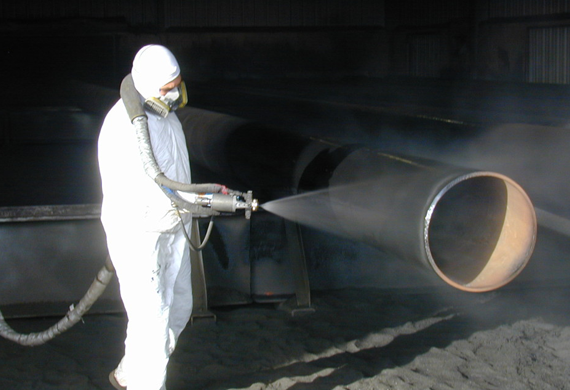
Selecting the right zinc-rich primer is one of the most critical decisions in protecting steel structures exposed to highly corrosive environments. C5 environments—defined in ISO 12944—represent the harshest atmospheric conditions, typically found in coastal industrial zones, offshore structures, chemical plants, refineries, and areas with persistent humidity or aggressive pollutants. In these settings, corrosion can progress rapidly if the coating system fails, leading to costly repairs, downtime, and safety risks.
A zinc-rich primer acts as the foundation of a long-lasting coating system, providing sacrificial protection that shields the steel even when the topcoat is damaged. However, not all zinc-rich primers are created equal. Choosing the wrong type can compromise the entire coating system. This guide explains how these primers work, key factors to consider, and how to select the most effective one for your C5 application.
Understanding Zinc-Rich Primers
Zinc-rich primers are protective coatings loaded with metallic zinc dust. When applied to steel, the zinc provides cathodic protection, meaning it corrodes preferentially and protects the substrate from rust. These primers are used extensively in severe atmospheric conditions because they offer:
- Long-term corrosion resistance
- Excellent adhesion
- Strong protection even after minor mechanical damage
- Compatibility with high-performance topcoats
But to perform reliably in a C5 environment, the primer must meet specific criteria.
Types of Zinc-Rich Primers
There are two main categories of zinc-rich primers:
1. Inorganic Zinc-Rich Primers (IOZ)
- Based on ethyl silicate binders
- Extremely high zinc content
- Outstanding heat and solvent resistance
- Superior corrosion performance
- Best for offshore structures, splash zones, bridges, and refineries
Limitations:
- Requires strict surface preparation (Sa 2½ or Sa 3)
- More brittle; less tolerant of movement
- Complex application and curing conditions
2. Organic Zinc-Rich Primers (OZ)
- Based on epoxy or polyurethane binders
- More flexible and forgiving than IOZ
- Good adhesion and chemical resistance
- Compatible with a broader range of topcoats
Limitations:
- Slightly lower cathodic protection than IOZ
- Higher film build may reduce conductivity
Choosing between IOZ and OZ depends on asset type, site conditions, and application constraints.

Factors to Consider Before Selecting a Primer
1. Environmental Classification (ISO 12944 / C5)
C5 environments include:
- Offshore structures (splash and tidal zones)
- Coastal industrial zones
- Chemical and petrochemical plants
- Power plants with high humidity or fallout
- Shipyards and port facilities
In these environments, corrosion rates are extremely high, and the coating must offer both barrier and sacrificial protection. Ensure the product is certified for C5 High or C5 Very High service.
2. Surface Preparation Requirements
Zinc-rich primers perform best when applied over steel prepared to:
- Sa 2½ or Sa 3 (ISO 8501-1)
- With appropriate anchor profile (40–75 microns depending on system)
Inorganic zinc requires the highest level of preparation. If the site cannot guarantee blasting quality (e.g., shutdown work, tight access areas), an organic zinc may be more practical.
3. Zinc Content and Purity
Look for:
- ≥80% zinc by weight in the dry film
- High-purity zinc dust (ASTM D520 Type II)
- Low lead and impurities
Higher zinc levels improve conductivity and sacrificial protection.
4. Compatibility With Intermediate and Topcoats
Common system combinations for C5 exposure include:
- IOZ + Epoxy Intermediate + Polyurethane/Fluoropolymer Topcoat
- Zinc Epoxy + High-Build Epoxy + Polysiloxane Topcoat
Check technical data sheets for:
- Recoat windows
- Maximum DFT tolerances
- Galvanic compatibility
- Whether seal coats are required
Compatibility issues may lead to delamination or premature failure.
5. Application Conditions and Practical Constraints
Evaluate site-specific parameters:
- Temperature and humidity
- Drying and curing times
- Overcoating intervals
- Access limitations
- Contractor expertise
For example:
- IOZ cannot cure properly in high humidity, which is common offshore.
- Zinc epoxy may tolerate more challenging conditions and allow faster project turnaround.
6. Compliance and Certification
Ensure the primer meets relevant standards:
- ISO 12944-5 / ISO 12944-6
- NORSOK M-501 (for offshore)
- ISO 20340 (cyclic ageing)
- SSPC Paint 20 (Type I or Type II zinc primer)
These certifications demonstrate long-term performance in extreme environments.
7. Life-Cycle Cost vs. Initial Cost
A cheap zinc primer might save money upfront, but failures in C5 environments are expensive. Consider:
- Maintenance frequency
- Shutdown implications
- Long-term protection
- Cost of failures (corrosion, leaks, structural issues)
High-performance inorganic zinc or premium epoxy zinc often delivers the lowest life-cycle cost.
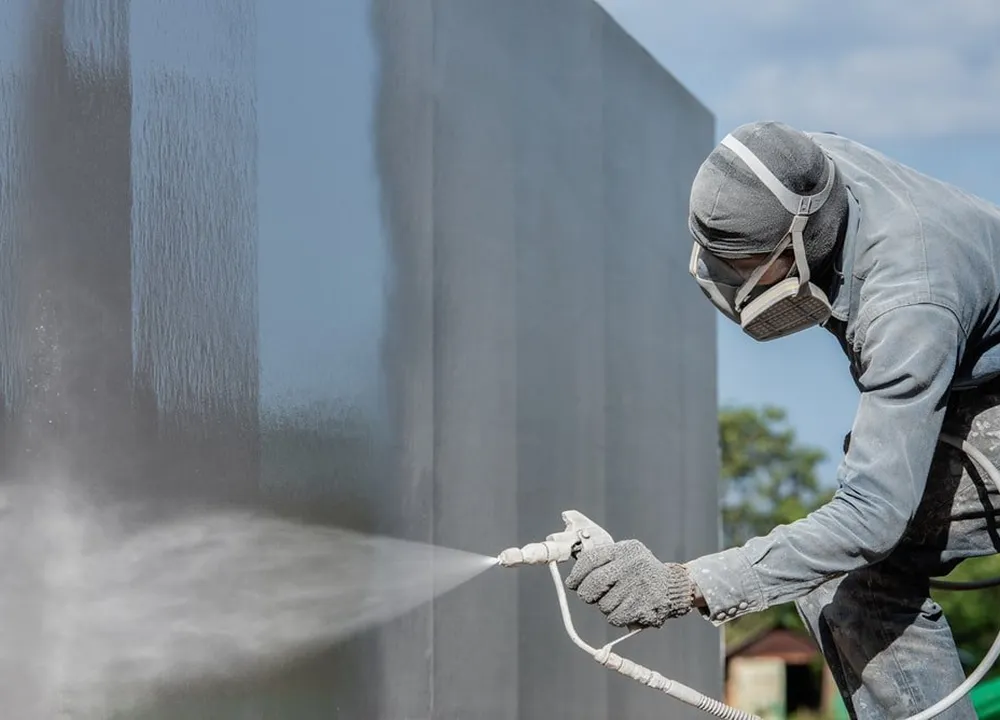
Recommended Zinc Primer Selection Based on Scenario
Offshore Platforms, Jackets, WHPs, Splash Zones
→ Inorganic Zinc-Rich Primer (IOZ)
Best long-term corrosion resistance.
Onshore Plants, Refineries, Structural Steel
→ Zinc Epoxy Primer
More flexible, easier application.
Maintenance Work / Spot Repairs
→ Organic Zinc Epoxy
Better for overcoating and touch-ups.
High-Temperature Areas
→ IOZ or specialized heat-resistant zinc primers
Ensure compatibility with thermal cycling requirements.
Common Mistakes When Choosing Zinc-Rich Primers
- Choosing IOZ without the ability to meet strict surface prep
- Overlooking humidity/temperature limits
- Incorrect DFT leading to reduced conductivity
- Skipping the seal coat in porous IOZ systems
- Pairing incompatible topcoats that lift or crack
- Not considering long-term maintenance cycles
Avoiding these errors ensures the coating performs as designed.
Conclusion
Choosing the right zinc-rich primer for C5 environments requires understanding the operating conditions, substrate preparation, product chemistry, and coating system design. Whether your project is offshore, marine, industrial, or infrastructure-related, the correct primer forms the backbone of long-term corrosion protection.
By evaluating zinc content, environmental severity, application conditions, and compatibility, asset owners and contractors can ensure a durable, compliant, and cost-effective coating system that performs reliably for years.